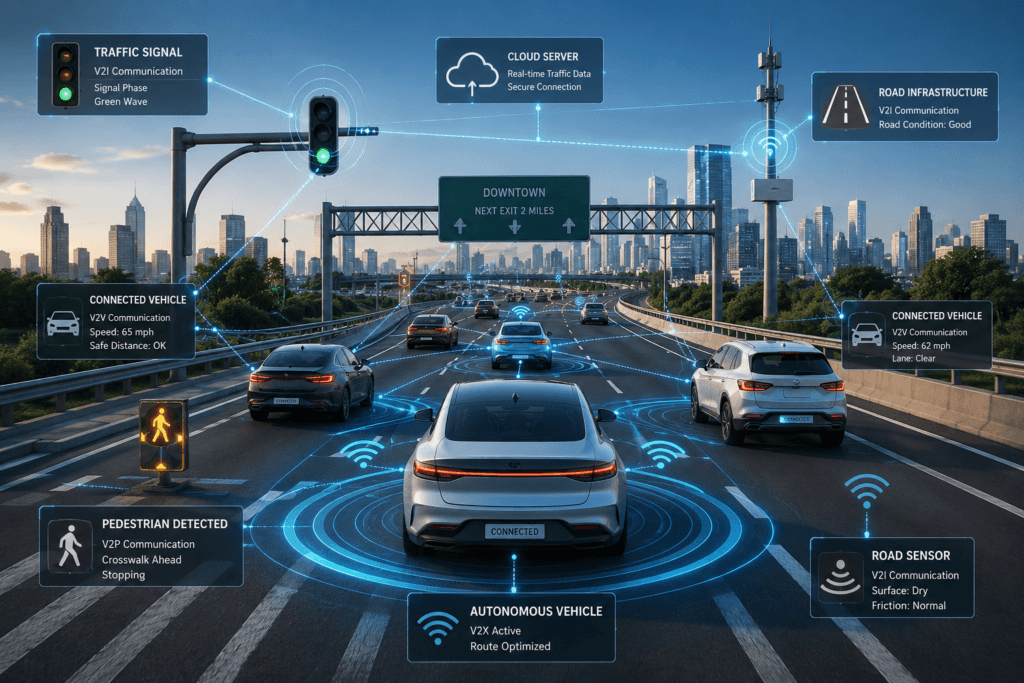
Modern cars are no longer just mechanical machines. They are connected digital systems with software, sensors, cameras, apps, wireless updates, infotainment screens, and driver assistance features. As vehicles become smarter, cybersecurity has become one of the most important topics in the automotive industry.
Vehicle cybersecurity focuses on protecting cars from unauthorized access, software attacks, data theft, and system manipulation. This matters because connected cars can communicate with phones, cloud platforms, service centers, charging networks, and sometimes other vehicles. While these features make driving more convenient, they also create new digital risks.
For drivers, this does not mean connected cars are unsafe. It means modern vehicles need the same kind of digital protection that smartphones, laptops, and smart home devices already require. Automakers, technology companies, and regulators are now working to make connected vehicles safer from cyber threats.
What Is Vehicle Cybersecurity?
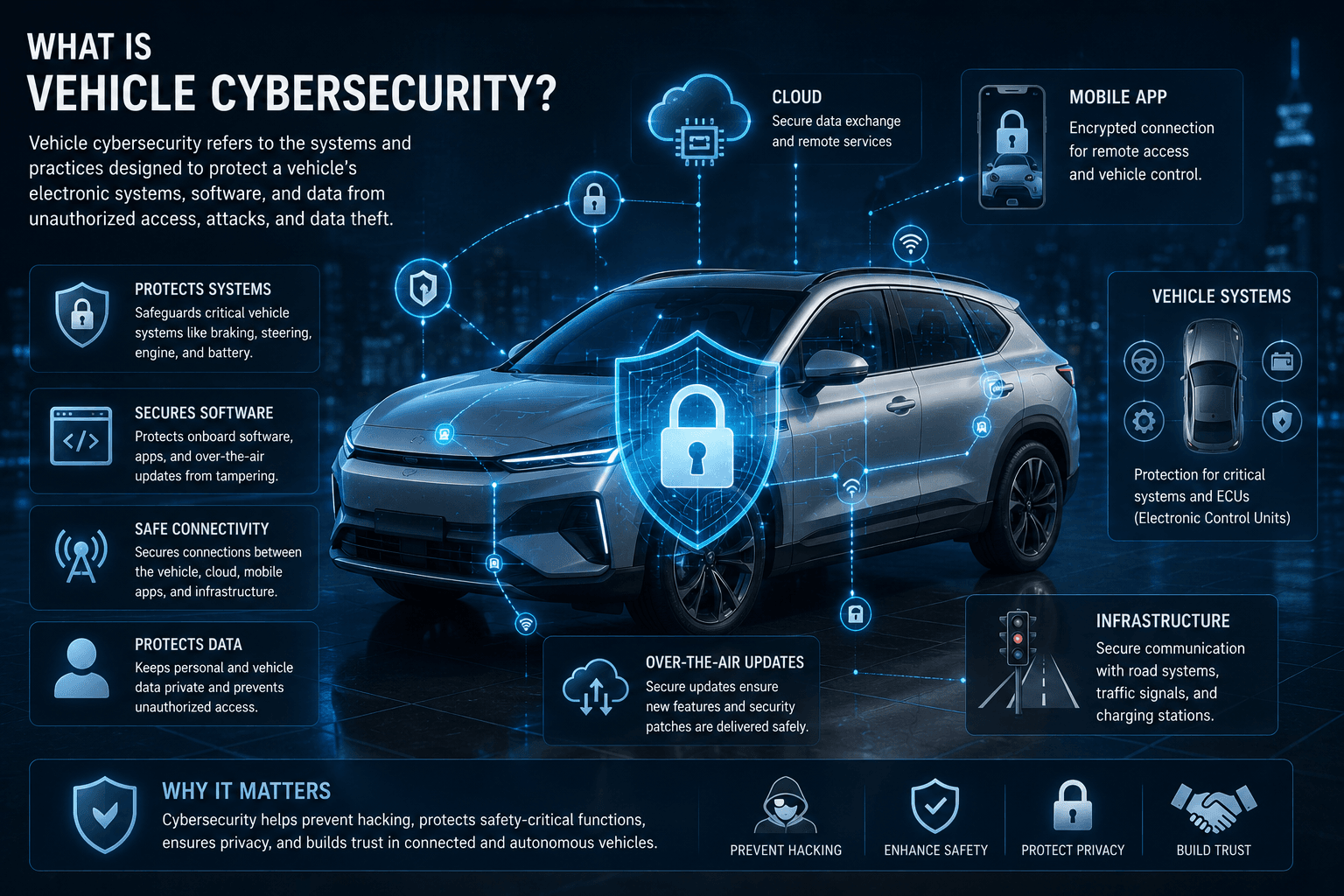
Vehicle cybersecurity refers to the systems and practices used to protect a car’s digital technology. This includes the software that controls infotainment, navigation, braking support, driver assistance, remote access, diagnostics, and over-the-air updates.
In older vehicles, most systems worked separately. In modern connected cars, many systems communicate with each other. A car may connect to a phone, receive wireless software updates, share diagnostic data, or respond to a mobile app command. Each connection needs protection.
The National Highway Traffic Safety Administration explains that vehicle cybersecurity is important because modern vehicles use many electronic systems and communication pathways. These systems must be designed to resist unauthorized access and protect drivers.
Why Cybersecurity Matters in Connected Cars
Connected cars offer many benefits. Drivers can use apps to lock doors, check battery status, locate a vehicle, start climate controls, and schedule maintenance reminders. Some vehicles can also receive software updates without visiting a dealership.
However, every connected feature creates a possible entry point. A weak app login, outdated software, unsecured wireless connection, or poorly protected device could create risk. This is why automakers now treat cybersecurity as part of vehicle safety.
This topic also connects with broader automotive technology trends. If you are exploring smart vehicle features, you may also want to read In-Car AI Copilots in 2026, which explains how in-car AI tools support modern drivers.
Common Cybersecurity Risks in Modern Vehicles
Most drivers do not think about cybersecurity when they get into a car. They think about fuel, battery range, comfort, safety, and performance. Still, connected vehicles depend heavily on digital systems, so it helps to understand the most common risks.
Remote Access Risks
Many vehicles now allow owners to control certain features through mobile apps. These apps can lock doors, start the vehicle, check location, or monitor battery charge. If an account uses a weak password or the phone is compromised, remote access could become a concern.
Software Vulnerabilities
Like computers and phones, vehicle software may need updates. Automakers use patches to improve performance, fix bugs, and address security concerns. Drivers should install official updates when available and avoid using unauthorized software tools.
Infotainment System Risks
Infotainment systems connect to phones, apps, Bluetooth, Wi-Fi, and navigation services. These systems are useful, but they must be protected from suspicious files, unknown devices, and unsafe connections.
Data Privacy Concerns
Connected cars may store personal information such as saved addresses, call history, app preferences, vehicle location, and driver profiles. Before selling or trading a vehicle, drivers should remove this information from the system.
How Automakers Protect Modern Vehicles
Automakers now build cybersecurity into the design process. Instead of treating it as an afterthought, they include security checks during software development, hardware design, testing, and updates.
The SAE J3061 cybersecurity guidebook is one example of how the industry approaches cybersecurity engineering. It gives automakers a framework for identifying and managing cybersecurity risks in vehicle systems.
Secure Software Design
Automakers use secure software development practices to reduce vulnerabilities. This includes code testing, controlled access, encryption, authentication, and regular system reviews. The goal is to identify possible weaknesses before vehicles reach drivers.
Over-the-Air Security Updates
Over-the-air updates allow automakers to send software improvements directly to vehicles. This can help fix issues faster than traditional service visits. However, these updates must be protected so only verified software reaches the vehicle.
This is similar to how connected car technology works in general. You can explore more smart vehicle trends in The Rise of AI in the Automotive Industry.
Encryption and Authentication
Encryption helps protect data while it moves between the vehicle, phone apps, cloud systems, and service platforms. Authentication helps confirm that only approved users, devices, and systems can access certain vehicle functions.
Threat Monitoring
Some automakers use monitoring tools to detect unusual activity in vehicle systems. If a system behaves strangely, it may trigger an alert or limit certain functions. This helps automakers respond more quickly to possible threats.
Cybersecurity and Electric Vehicles
Electric vehicles depend heavily on software, battery management systems, charging networks, and mobile apps. This makes cybersecurity especially important in EVs. Charging stations, payment systems, battery data, and remote charging controls all need secure connections.
Drivers interested in EV ownership can also read The Future of Electric Vehicles to learn more about EV trends, charging, and technology changes.
The U.S. Department of Energy provides helpful information about electric vehicles, charging, and clean transportation. As EV adoption grows, secure charging infrastructure may become even more important.
Cybersecurity and Driver Assistance Systems
Driver assistance features rely on cameras, radar, sensors, software, and vehicle control systems. These systems may help with lane keeping, adaptive cruise control, blind spot alerts, automatic emergency braking, and parking assistance.
Because these features support safety, cybersecurity matters. Automakers must protect the communication between sensors, control units, and driver assistance software. A secure system helps keep these features reliable.
For related safety information, visit Top Car Safety Features Every Driver Should Have in 2025.
What Drivers Can Do to Protect Their Cars
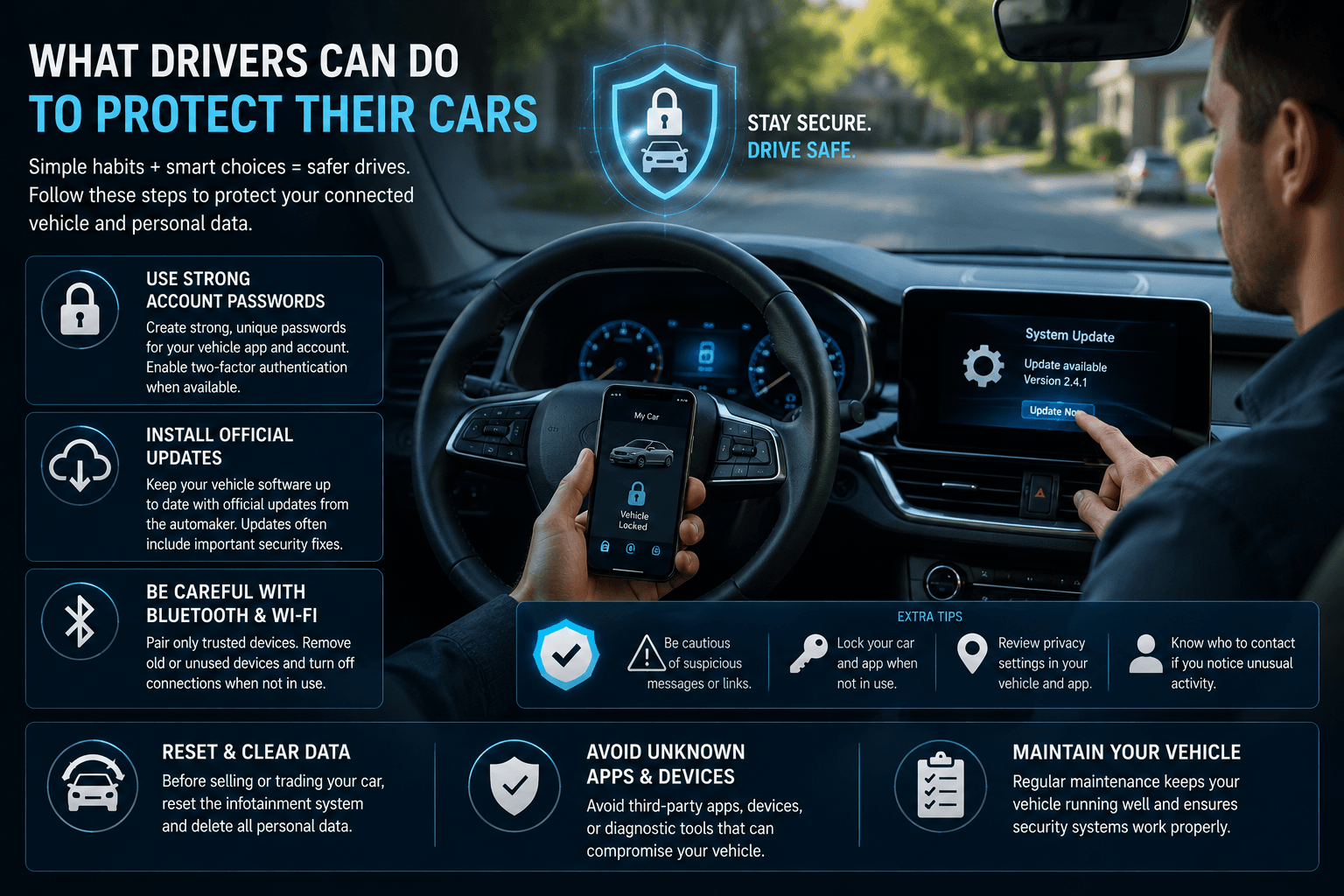
Automakers carry much of the responsibility for vehicle cybersecurity, but drivers also have a role. Simple habits can reduce risk and protect personal information.
Use Strong Account Passwords
If your vehicle has a mobile app, use a strong and unique password. Avoid using the same password across multiple accounts. Turn on two-factor authentication when available.
Install Official Updates
Only install updates from the automaker or authorized service provider. Avoid unknown software tools, unofficial apps, or third-party devices that claim to unlock hidden features.
Be Careful With Bluetooth and Wi-Fi
Remove old paired devices from your car. Avoid connecting unknown phones or accessories. When selling a vehicle, reset the infotainment system and delete personal data.
Maintain the Vehicle Properly
Cybersecurity is digital, but regular maintenance still matters. A well-maintained vehicle is easier to diagnose and manage. For practical upkeep tips, read Essential Car Maintenance Tips Every Driver Should Know.
The Future of Vehicle Cybersecurity
Vehicle cybersecurity may become even more important as cars become more connected, automated, and software-driven. Future vehicles may communicate more often with smart roads, charging stations, cloud systems, and other vehicles. This means cybersecurity must grow alongside innovation.
The ISO/SAE 21434 standard focuses on cybersecurity engineering for road vehicles. Standards like this help the automotive industry build safer digital systems and improve consistency across manufacturers.
Drivers can expect automakers to keep improving software protections, update systems more often, and provide clearer privacy controls. Vehicle cybersecurity may become a major selling point, especially for connected cars, electric vehicles, and advanced driver assistance systems.
Final Thoughts
Vehicle cybersecurity is now a core part of modern automotive safety. As cars become more connected, they need stronger protection against digital threats. Automakers are using secure software design, encryption, authentication, monitoring, and over-the-air updates to protect modern vehicles.
Drivers should also take simple steps to protect their connected cars. Strong passwords, official updates, careful device pairing, and regular maintenance can help reduce risk. In the future, cybersecurity may be just as important as airbags, brakes, and seat belts in protecting drivers and passengers.
Connected vehicles bring convenience, intelligence, and better control, but they also require responsible digital habits. Understanding vehicle cybersecurity helps drivers use modern technology with more confidence.