
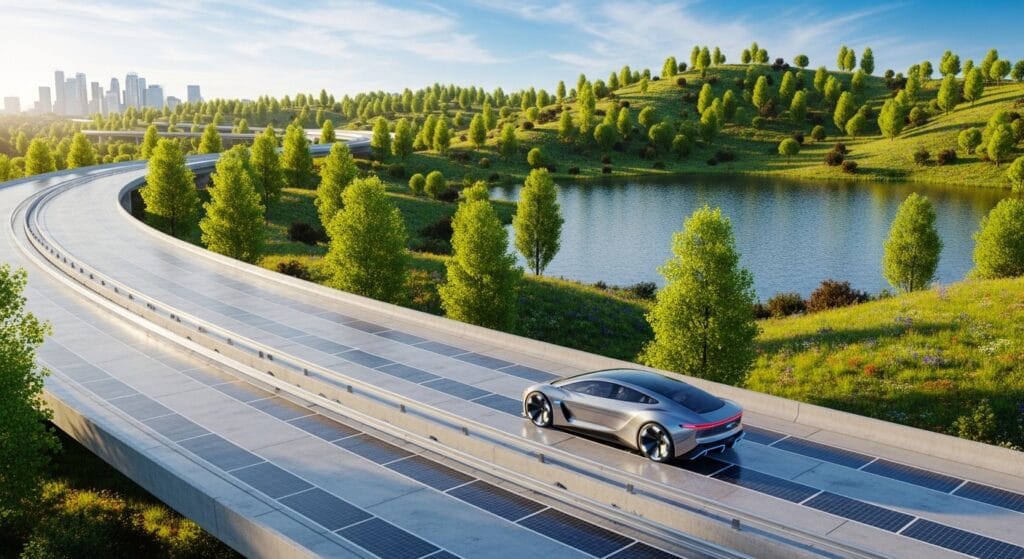
The electric vehicle (EV) market is evolving rapidly, and by 2026, we can expect major advancements in battery technology, vehicle performance, and infrastructure. With many countries focusing on sustainability and reducing carbon emissions, the automotive industry is undergoing a massive transformation. The rise of electric vehicles is not just a trend—it’s a shift that will significantly impact drivers, automakers, and even the global economy.
In this blog, we’ll explore the top trends in electric vehicles for 2026, how the advancements in battery technology are improving EV performance, and what these developments mean for drivers. From longer battery ranges to faster charging stations, the future of electric vehicles looks promising.
How Battery Technology Is Advancing
One of the most critical factors in the development of electric vehicles is battery technology. As we approach 2026, battery technology is becoming more efficient, more affordable, and longer-lasting. Advances in solid-state batteries are particularly exciting, as these batteries promise to deliver higher energy densities, faster charging times, and increased safety compared to traditional lithium-ion batteries. These advancements will make EVs more practical for everyday drivers and increase their appeal in the global market.
In addition to solid-state batteries, researchers are also looking into lithium-sulfur and sodium-ion batteries as alternatives. These innovations will likely lower the cost of EV batteries while improving their range. According to The U.S. Department of Energy’s Office of Energy Efficiency and Renewable Energy, the next decade could bring a 30% increase in energy efficiency and a significant decrease in production costs.
Expanding Charging Infrastructure and Convenience
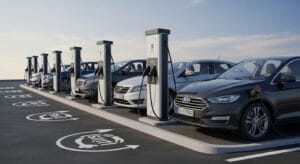
Charging infrastructure is another key area where we’ll see significant improvements by 2026. With more EVs on the road, the demand for fast and widespread charging stations will grow. Public charging networks are expected to expand, particularly in urban areas and along highways. New fast-charging technologies will also reduce charging time, making it easier for drivers to charge their vehicles during long road trips.
Public-private partnerships are helping expand charging infrastructure, making it more accessible to the general public. For example, major automakers and energy companies are collaborating to build ultra-fast charging stations that can charge an EV to 80% in less than 20 minutes. According to the U.S. Department of Energy, this expansion is essential to ensure that EVs become a viable option for drivers everywhere.
The Emergence of New EV Models
 As the EV market grows, more automakers are introducing new and exciting electric vehicle models. In 2026, we can expect a wider variety of EVs to be available across different price points and vehicle categories. While many automakers have already launched EV versions of popular sedans and SUVs, the future of electric vehicles will include new models in every category, including trucks, sports cars, and luxury vehicles.
Additionally, with improvements in battery efficiency, we may see longer-range EVs at more affordable prices. The release of new models from companies like Tesla, Rivian, and Ford, alongside the growth of global automakers like Volkswagen and General Motors, will increase competition in the EV market. This will result in a greater range of choices for drivers, whether they’re looking for a family car, a high-performance sports car, or a heavy-duty electric truck.
How EVs Will Impact the Environment and the Economy
One of the main benefits of electric vehicles is their positive impact on the environment. EVs produce zero tailpipe emissions, which means they don’t contribute to air pollution, especially in cities. In 2026, as more drivers switch to EVs, we’ll see a reduction in harmful emissions, contributing to cleaner air and fewer greenhouse gases.
Additionally, the growth of the electric vehicle market will have significant economic implications. By transitioning away from gasoline and diesel, EVs will reduce global dependence on oil, potentially lowering energy prices and promoting energy independence. With governments offering incentives and subsidies, as well as companies shifting to electric fleets, the growth of EVs will benefit both consumers and the global economy. The IEEE’s article on EV trends provides more insights into how these changes will affect industries globally.
Government Incentives and Policies
 Governments around the world are implementing policies that promote the use of electric vehicles. In 2026, many countries will have incentives in place to encourage consumers to purchase EVs, including tax credits, rebates, and exemptions from road taxes or congestion charges. The goal of these policies is to support the transition to a cleaner, greener transportation system and to reduce dependence on fossil fuels.
In addition to these incentives, governments are also focusing on building the necessary charging infrastructure and supporting research into new battery technologies. For example, the European Union has introduced several initiatives to support the development of a cross-border EV charging network and improve battery production capabilities. The European Commission’s Electric Vehicle Strategy highlights the long-term benefits of adopting electric mobility for the continent.
The Future of Autonomous EVs
Autonomous electric vehicles (AEVs) are expected to make significant strides by 2026. The combination of AI, advanced sensors, and connectivity will allow electric vehicles to drive themselves, offering new opportunities for mobility and changing the way we interact with cars. AEVs could reduce traffic congestion, improve road safety, and provide a new level of convenience for drivers.
Self-driving electric cars will rely heavily on AI-powered systems that use cameras, radar, lidar, and machine learning to navigate. Companies like Waymo, Tesla, and Cruise are already testing autonomous electric vehicles on public roads, with plans to expand these systems in the coming years. As AI continues to improve, fully autonomous electric vehicles could become the norm in the next decade.
Conclusion: What to Expect from Electric Vehicles in 2026
In 2026, electric vehicles will be more affordable, more efficient, and more widely available than ever before. Improvements in battery technology, charging infrastructure, and government incentives will make it easier for drivers to make the switch to electric vehicles. As more automakers release new EV models and autonomous features continue to evolve, drivers will enjoy more choices and better technology than ever before.
For more insights on EV trends, check out our article on In-Car AI Copilots in 2026. And for helpful car maintenance tips, explore our guide on Essential Car Maintenance Tips Every Driver Should Know.