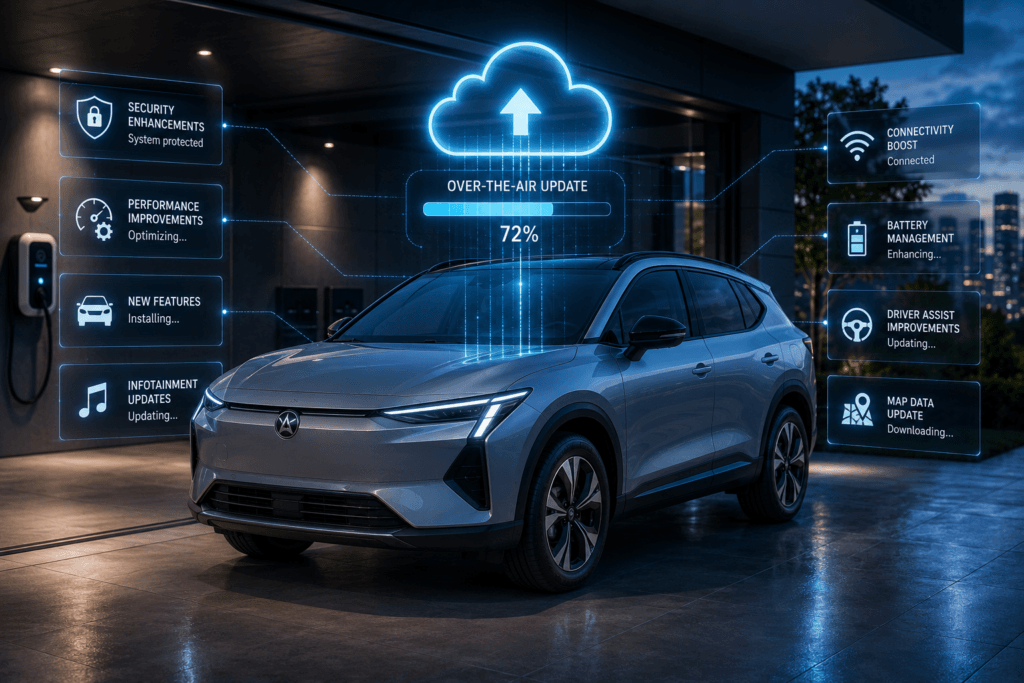
Car ownership is changing quickly as vehicles become more digital, connected, and software-driven. One of the biggest changes is the rise of over-the-air vehicle updates, often called OTA updates. These updates allow automakers to improve vehicle software without requiring every driver to visit a dealership or service center.
In the past, most vehicle improvements happened during repairs, recalls, or new model releases. Today, some cars can receive new software features, performance improvements, security patches, infotainment upgrades, and system fixes through wireless updates. This technology is especially common in electric vehicles and connected cars, but it is becoming more important across the entire automotive industry.
OTA updates are part of the larger shift toward software-defined vehicles. Instead of being limited to the features installed at the factory, modern cars can improve over time. This connects closely with trends discussed in Connected Cars in 2026 and The Rise of AI in the Automotive Industry.
What Are Over-the-Air Vehicle Updates?
Over-the-air vehicle updates are wireless software updates sent directly to a vehicle. These updates may improve infotainment systems, navigation maps, battery management, safety features, driver assistance systems, cybersecurity, and general vehicle performance.
The idea is similar to updating a smartphone or laptop. When the manufacturer releases new software, the vehicle downloads and installs it through a secure internet connection. Some updates happen automatically, while others require driver approval before installation.
OTA updates are especially useful because modern vehicles contain many electronic control units, sensors, cameras, displays, and software systems. As vehicles become more complex, software maintenance becomes just as important as oil changes, tire checks, and brake inspections.
How OTA Updates Work
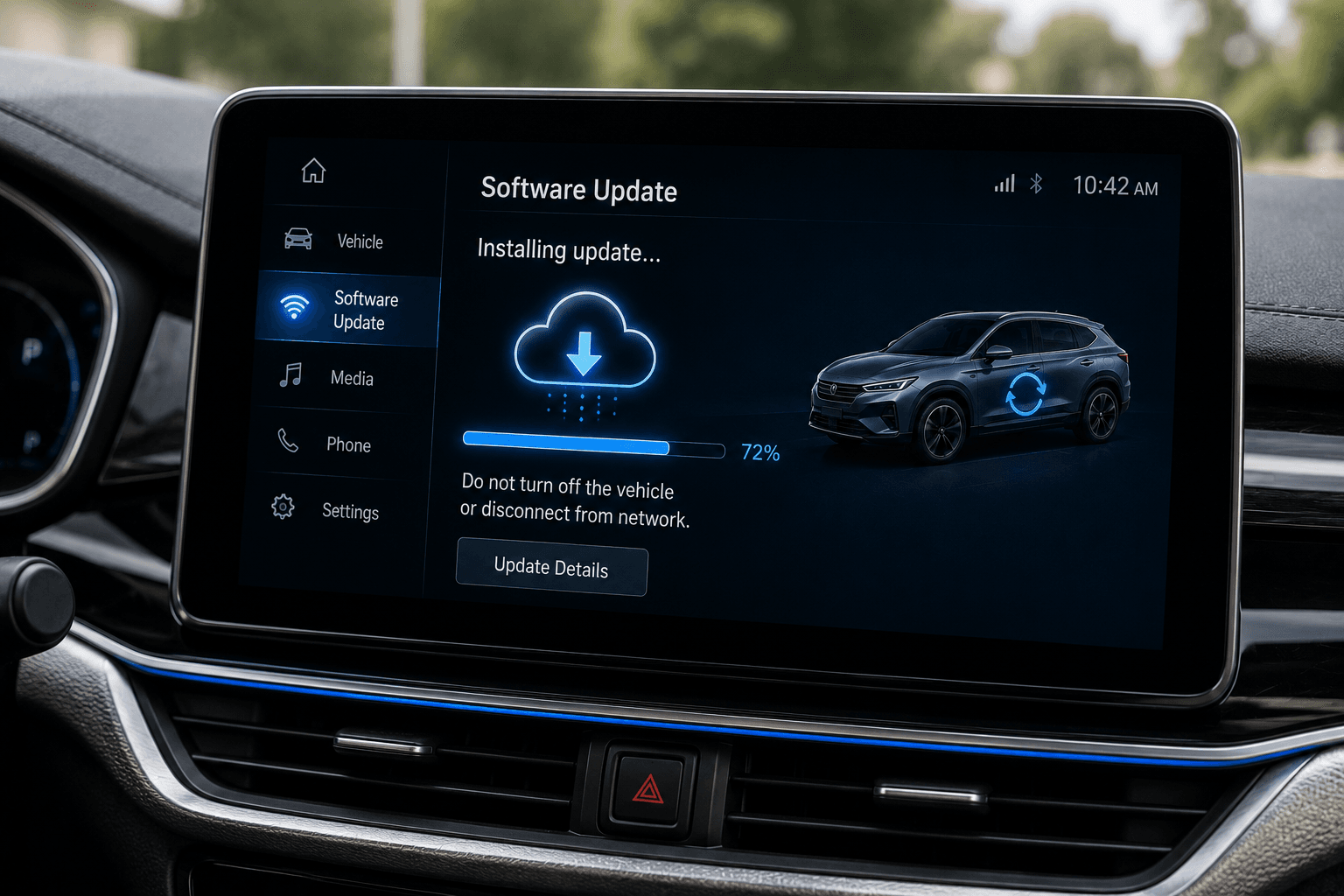
OTA updates rely on secure wireless communication between the automaker, cloud servers, and the vehicle. The vehicle must be connected to the internet, usually through built-in cellular connectivity or Wi-Fi.
Wireless Software Delivery
When an automaker releases an update, the software is sent to eligible vehicles through a secure network. The vehicle receives the update package and prepares it for installation. Some updates are small and only affect one feature, while others may involve larger system improvements.
The National Highway Traffic Safety Administration plays an important role in vehicle safety oversight, especially when software changes affect safety-related systems. This is one reason automakers must take OTA reliability seriously.
Cloud Connectivity
Cloud platforms help automakers manage software delivery, version control, security checks, and update timing. A vehicle may communicate with the cloud to confirm whether an update is available and whether the vehicle is eligible to install it.
This is also why connected vehicle cybersecurity matters. Wireless updates must be protected from tampering, unauthorized access, or fake software packages. For more on this issue, read Vehicle Cybersecurity in Connected Cars.
Vehicle Verification
Before an update installs, the system may check battery level, network strength, vehicle status, and software compatibility. Some updates cannot install while the car is being driven. Others may require the vehicle to be parked and locked.
This verification process helps reduce the risk of failed installations. It also helps protect important systems from being interrupted during operation.
Benefits of OTA Updates for Drivers
OTA updates can make car ownership more convenient. Instead of scheduling a service appointment for every software issue, drivers may receive improvements at home. This can save time and help vehicles stay current.
Improved Vehicle Performance
Some OTA updates can improve acceleration response, battery efficiency, charging performance, climate control behavior, or driving modes. In electric vehicles, software can play a major role in how the battery and motor perform.
Drivers interested in EV ownership can also review The Future of Electric Vehicles for more information on battery and charging trends.
Enhanced Safety Features
OTA updates may improve driver assistance systems, camera calibration, lane support, emergency braking behavior, or warning alerts. These updates can help refine safety technology after a car has already been sold.
To compare this with other safety innovations, visit Top Car Safety Features Every Driver Should Have in 2025.
Better Infotainment Experience
Infotainment systems are one of the most common areas improved through OTA updates. Automakers may update menus, voice controls, navigation, app support, Bluetooth stability, screen layout, or entertainment features.
This matters because drivers now expect car software to feel smooth, fast, and easy to use. As in-car voice systems become more common, OTA updates may also improve how vehicles understand commands. You can learn more in In-Car AI Copilots in 2026.
Stronger Cybersecurity Protection
Cybersecurity is one of the most important benefits of OTA updates. If an automaker finds a software vulnerability, it can release a patch faster than waiting for every vehicle to visit a service center.
The ISO/SAE 21434 standard focuses on cybersecurity engineering for road vehicles. This shows how important secure software development has become in the modern automotive industry.
Which Vehicles Already Support OTA Updates?
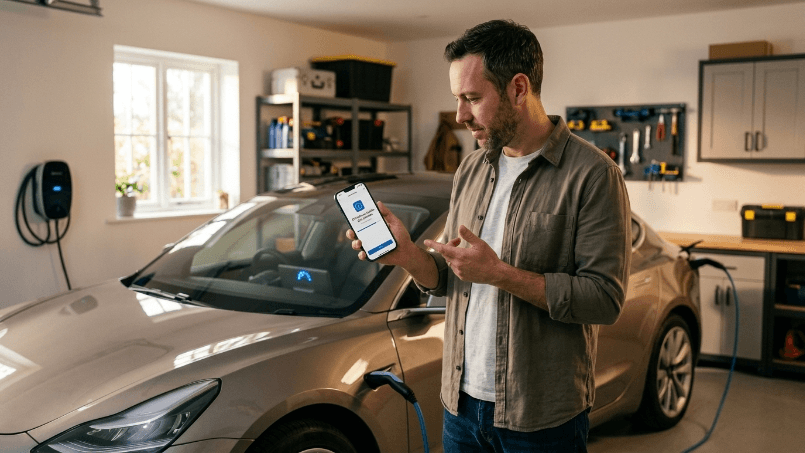
OTA updates are most common in newer electric vehicles, luxury vehicles, and connected cars. However, the technology is expanding into more mainstream models. Automakers use OTA updates to improve software quality, support connected services, and reduce the need for physical service visits.
Electric vehicles often benefit the most because battery management, charging speed, range estimates, and energy use depend heavily on software. Connected gas-powered vehicles can also receive updates for infotainment, navigation, and driver assistance features.
The U.S. Department of Energy offers helpful information about vehicle technology, electric mobility, and energy efficiency, making it a useful resource for drivers following this shift.
Challenges of OTA Updates
OTA updates offer many benefits, but they also come with challenges. Automakers must make sure updates are secure, reliable, easy to understand, and safe to install.
Internet Connectivity
Some updates require strong Wi-Fi or cellular service. Drivers in areas with poor connectivity may experience slow downloads or interrupted updates. Automakers must design systems that can pause and resume downloads safely.
Storage Requirements
Vehicles need enough digital storage to download and install updates. As car software becomes more advanced, storage management may become more important.
Update Failures
A failed update can be frustrating for drivers. In rare cases, it may affect certain vehicle features until the issue is corrected. This is why automakers test updates carefully before release.
Organizations like SAE International help support automotive standards and technical knowledge as vehicles become more software-driven.
Tips for Drivers Before Installing OTA Updates
Drivers should treat OTA updates as an important part of vehicle care. Before installing an update, read the update notes and make sure the vehicle is parked safely. If the update requires Wi-Fi, connect to a trusted network.
It is also smart to keep the vehicle battery charged before installing large updates. Drivers should avoid interrupting the process unless the system says it is safe to do so.
OTA updates do not replace regular maintenance. Tires, brakes, fluids, lights, and mechanical parts still need attention. For practical upkeep advice, visit Essential Car Maintenance Tips Every Driver Should Know.
The Future of Software-Defined Vehicles
OTA updates are a major step toward software-defined vehicles. In the future, cars may receive more frequent upgrades, personalized features, safety refinements, and subscription-based options. Some vehicles may even gain new driving modes or improved efficiency years after purchase.
This shift changes the relationship between drivers and automakers. Car ownership may become more like owning a smart device, where software support continues long after the sale.
Automotive technology sites such as Autobest also cover vehicle trends, reviews, and new technology developments that help drivers understand where the industry is heading.
Final Thoughts
Over-the-air vehicle updates are changing car ownership by making vehicles more flexible, connected, and software-driven. These updates can improve performance, safety, infotainment, cybersecurity, and convenience without requiring every change to happen at a dealership.
For drivers, the key is to understand how OTA updates work and how to install them safely. As vehicles become more digital, software care will become part of normal car ownership. The cars of the future will not only be maintained with tools and parts, but also with secure updates, cloud systems, and smarter software.