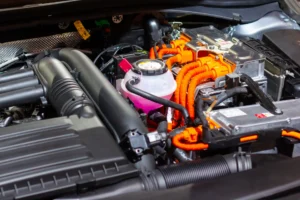
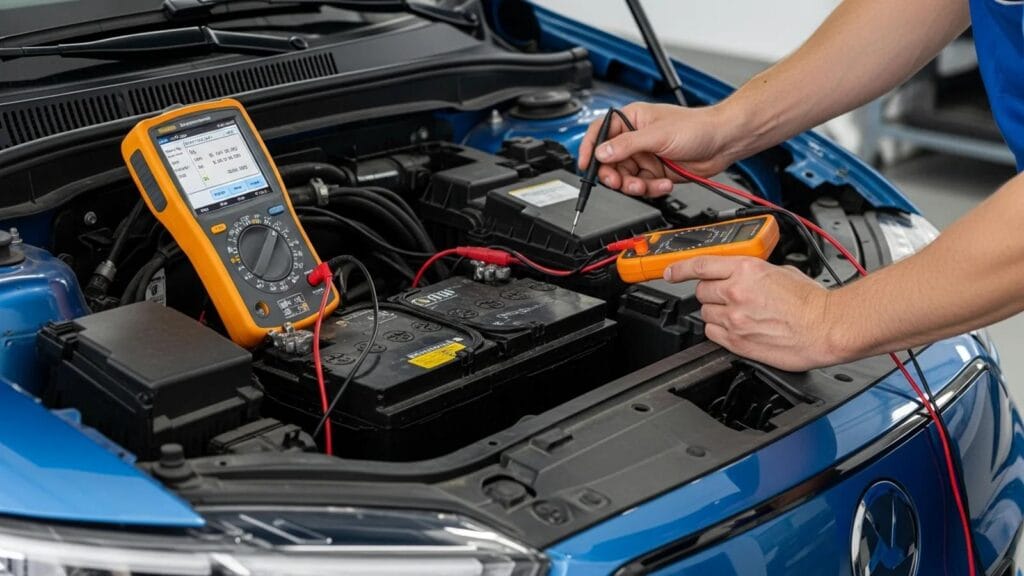
Electric vehicles are known for their large lithium-ion battery packs, which store the electricity needed to power their motors. However, many drivers are surprised to discover that most electric cars also have a much smaller 12-volt battery. This auxiliary battery performs several essential functions, even though the vehicle does not have a conventional gasoline engine to start.
In 2026, the 12-volt battery remains an important part of electric vehicle design. It helps operate electronic control systems, door locks, lights, computers, and other low-voltage equipment. In many EVs, it also helps activate the high-voltage battery system that makes driving possible.
Understanding how the 12-volt battery works can help EV owners recognize warning signs, avoid unexpected breakdowns, and maintain their vehicles properly. It also explains why an electric car with plenty of driving range remaining can sometimes refuse to enter its ready-to-drive mode.
Why Do Electric Cars Still Need a 12-Volt Battery?
 Electric vehicles use two electrical systems with different responsibilities. The high-voltage traction battery stores energy for the electric motor and other high-power components. The low-voltage system supplies electricity to electronic equipment that does not require the same high voltage.
Many automotive components were originally designed around 12-volt electrical architecture. Door locks, lighting circuits, control modules, infotainment equipment, and other devices commonly operate using low-voltage power.
Keeping a separate low-voltage system also supports safe vehicle startup and shutdown. The high-voltage battery is generally isolated from parts of the vehicle when the car is switched off. The auxiliary battery can provide the power needed to activate control electronics and manage the connection to the main battery.
Mazda’s explanation of EV 12-volt batteries identifies several functions, including operating electronic control units, vehicle access systems, and the relays involved in activating the high-voltage electrical system.
What Does the 12-Volt Battery Power in an Electric Car?
The exact electrical loads vary among manufacturers, but the auxiliary battery commonly supports many everyday vehicle functions.
Door Locks and Vehicle Access
Electronic door locks, keyless entry receivers, security systems, and related control modules often depend on low-voltage power. A severely discharged auxiliary battery can prevent normal electronic unlocking.
This is particularly relevant as vehicles adopt smartphone-based access. Although digital car keys use sophisticated wireless communication, the vehicle still needs electricity to operate its access hardware.
Lights and Interior Electronics
Headlights, interior lighting, instrument displays, audio equipment, and various control modules may receive power through the low-voltage electrical system.
When the vehicle is ready to drive, the DC-DC converter generally helps supply these loads. The auxiliary battery provides stored energy when appropriate and helps maintain the system when the main high-voltage supply is unavailable.
Vehicle Computers and Control Systems
Electric vehicles contain numerous electronic control units. These computers manage functions such as battery monitoring, vehicle communication, safety systems, and operating modes.
Some of these components need low-voltage power before the vehicle can activate its main electrical system.
High-Voltage Battery Contactors
Many EVs use electrically operated switches called contactors to connect and disconnect the high-voltage battery from other components.
The low-voltage electrical system helps operate these switches. If the auxiliary battery cannot provide sufficient power, the vehicle may be unable to activate its high-voltage system even when the traction battery has plenty of charge.
Texas Instruments explains high-voltage contactor operation in its technical discussion of electric and hybrid vehicle power systems.
How the 12-Volt Battery Works in an EV
In a gasoline-powered vehicle, an alternator typically supplies electricity and charges the 12-volt battery while the engine operates. A battery-electric vehicle does not use an engine-driven alternator for this purpose.
Instead, most EVs use a DC-DC converter to transfer energy from the high-voltage battery to the low-voltage electrical system.
The DC-DC Converter
A DC-DC converter reduces the voltage supplied by the main traction battery to a level suitable for the vehicle’s low-voltage components.
For example, a vehicle with a high-voltage battery operating at several hundred volts may use a converter to supply its nominal 12-volt system and maintain the auxiliary battery.
The Panasonic technical guide to EV DC-DC converters explains how these components convert high-voltage electricity into low-voltage power for vehicle equipment.
Automatic Auxiliary Battery Charging
Depending on the vehicle, the main battery may periodically recharge the auxiliary battery while the car is parked. Some systems monitor the low-voltage battery and activate charging when necessary.
However, automatic charging behavior differs among models. Certain operating conditions, software settings, or battery faults may prevent the auxiliary battery from receiving sufficient charge.
Owners should not assume that leaving the main traction battery fully charged guarantees a healthy auxiliary battery.
Starting the Vehicle
When the driver requests the ready-to-drive mode, the vehicle checks several systems before enabling propulsion.
The auxiliary battery may power the computers and contactor controls needed during this process. Once the high-voltage system is active, the DC-DC converter can provide power to the low-voltage network.
This relationship explains why a small battery can prevent a much larger battery from being used.
12-Volt Battery vs. High-Voltage EV Battery
The two batteries perform very different jobs. The traction battery stores the large amount of energy required for propulsion. It also supports high-power systems such as electric heating, cooling, and charging equipment, depending on vehicle design.
The auxiliary battery stores a comparatively small amount of energy and supplies the low-voltage electronics needed for vehicle operation.
A traction battery is usually measured in kilowatt-hours and may store tens of kilowatt-hours of electricity. A conventional 12-volt battery has a much smaller energy capacity.
The difference is not simply battery size. Each battery serves a different electrical architecture, and both can be essential for normal vehicle operation.
For broader information about electric mobility, explore our guide to the future of electric vehicles.
Can an EV Have a Full Battery but Still Refuse to Start?
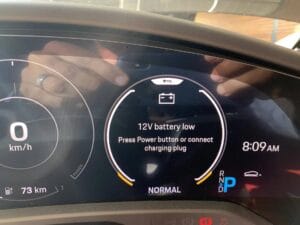 Yes. This is one of the most confusing situations an EV owner can experience.
The vehicle’s dashboard or mobile app may previously have shown a high traction battery charge level. However, if the 12-volt battery becomes too weak, the vehicle may be unable to power essential computers, operate contactors, or enter its ready-to-drive mode.
Depending on the model, symptoms may include unresponsive door locks, a blank instrument display, warning messages, or an inability to activate the vehicle.
A weak auxiliary battery is not the only possible cause of these problems. Faulty connections, control modules, electrical wiring, or DC-DC converter issues can produce similar symptoms.
Proper diagnosis is therefore important before replacing components.
Signs Your EV’s 12-Volt Battery Is Failing
A low-voltage battery may deteriorate gradually or fail with little warning. Drivers should pay attention to changes in electrical behavior.
Slow or Unresponsive Electronic Features
Door locks, interior displays, or other electronic functions may respond inconsistently when low-voltage power is insufficient.
However, these symptoms can also result from software problems or faulty components.
Low-Voltage Battery Warning Messages
Some electric vehicles display warnings when the auxiliary battery requires attention. Others may report charging-system or electrical-system faults.
The exact wording varies by manufacturer, so drivers should consult the owner’s manual rather than relying on a generic interpretation.
Vehicle Will Not Enter Ready Mode
A weak 12-volt battery may prevent the vehicle from completing its startup sequence.
Even if the high-voltage battery has sufficient energy, the vehicle may remain unavailable for driving.
Repeated Electrical Problems
Recurring low-voltage warnings, unexplained electrical resets, or repeated failures after the vehicle has been parked may indicate a battery or charging-system problem.
These symptoms deserve professional inspection, particularly when they occur repeatedly.
What Causes a 12-Volt Battery to Fail in an Electric Car?
Like other rechargeable batteries, auxiliary batteries gradually age. Their performance can decline with time, temperature exposure, charging behavior, and operating conditions.
Normal Battery Aging
Repeated charging and discharging, internal chemical changes, and environmental exposure can gradually reduce a battery’s capacity.
Battery lifespan varies significantly, so there is no universal replacement interval for every EV.
Extended Parking
Some vehicle electronics continue consuming electricity while the car is parked. Security systems, telematics modules, and other standby functions may contribute to low-voltage battery discharge.
Automatic maintenance charging can help, but it may not operate under every condition.
Extreme Temperatures
High temperatures can accelerate battery deterioration, while cold conditions can reduce available performance.
Battery chemistry and vehicle design influence how strongly temperature affects operation.
Charging-System Problems
A malfunctioning DC-DC converter or related electrical fault may prevent the auxiliary battery from charging correctly.
Replacing the battery alone may not solve the problem if the underlying charging fault remains.
Can You Jump-Start an Electric Car?
Some electric vehicles allow their low-voltage systems to be jump-started using an approved external 12-volt power source.
However, the procedure is not identical for every EV. Battery access points, approved connection locations, voltage requirements, and restrictions vary by manufacturer.
Owners should consult the vehicle’s official instructions before attempting any jump-start procedure.
It is particularly important not to confuse the auxiliary battery with the high-voltage traction battery. High-voltage components must never be accessed or handled as part of a conventional jump-start attempt.
Some vehicles use different low-voltage architectures or have restrictions on external power sources. Improper connections can damage electronics or create safety hazards.
If the manufacturer’s procedure is unclear, professional roadside assistance is the safer option.
Do Electric Cars Use Lead-Acid or Lithium 12-Volt Batteries?
Many electric vehicles use conventional lead-acid or absorbed glass mat batteries for their auxiliary electrical systems. Others use lithium-based low-voltage batteries.
Lead-acid batteries are familiar, widely available, and supported by established automotive electrical systems.
Lithium-based auxiliary batteries can offer advantages such as reduced weight and different operating characteristics, but they require appropriate electronic management and compatible charging systems.
Battery chemistry matters when selecting a replacement. A lithium battery should not automatically be substituted for a lead-acid battery unless the manufacturer approves the change.
Mazda’s EV battery guide discusses the use of different auxiliary battery chemistries in electric and hybrid vehicles.
How to Maintain an EV’s 12-Volt Battery
Auxiliary battery maintenance is relatively straightforward, but the correct procedures depend on the vehicle.
Follow the Manufacturer’s Maintenance Schedule
Review the owner’s manual for inspection intervals, battery specifications, and recommended replacement procedures.
Some vehicles require electronic initialization or other steps after battery replacement.
Pay Attention to Warning Messages
Do not repeatedly dismiss low-voltage warnings. An early inspection may identify a deteriorating battery or charging fault before the vehicle becomes unusable.
Consider Long-Term Storage Requirements
If the vehicle will remain parked for an extended period, follow the manufacturer’s storage recommendations.
Some vehicles require a particular traction battery charge range or other preparation to maintain the low-voltage system.
Avoid Unapproved Electrical Modifications
Aftermarket accessories connected to the low-voltage electrical system may create additional power demand.
Improper wiring or devices that remain active while parked can contribute to battery discharge.
For more vehicle upkeep advice, read our article on essential car maintenance tips.
How Much Does an EV 12-Volt Battery Replacement Cost?
Replacement costs vary according to battery chemistry, capacity, vehicle design, labor requirements, and local parts availability.
Some auxiliary batteries are relatively easy to access, while others are located beneath interior panels or in less convenient areas.
Vehicles with lithium-based low-voltage systems may require more specialized replacement components.
Owners should request a quote for the exact vehicle model and confirm whether the battery requires programming, initialization, or additional diagnostic work.
It is also worth checking warranty coverage before paying for a replacement.
Can Software Updates Affect the 12-Volt Battery?
Software can influence how an electric vehicle manages low-voltage power. Depending on the model, control systems may determine when to activate the DC-DC converter, monitor auxiliary battery condition, or manage standby electrical consumption.
Manufacturers may occasionally release software changes intended to improve energy management or correct specific electrical issues.
However, a software update cannot restore a physically deteriorated battery or repair a failed electrical component.
Our guide to over-the-air vehicle updates explains how modern automakers use software to maintain and improve vehicle functions.
Will Future Electric Cars Still Need 12-Volt Batteries?
Automotive electrical architectures are evolving, and some manufacturers are exploring alternatives to traditional 12-volt systems.
Higher-voltage auxiliary architectures, including 48-volt systems, can support certain electrical loads more efficiently. However, changing voltage architecture requires compatible components throughout the vehicle.
Even if future vehicles move away from conventional 12-volt batteries, they will still need a way to power control electronics and safely manage their high-voltage propulsion systems.
The exact solution may differ among manufacturers, but the need for reliable low-voltage electrical power will remain important.
Final Thoughts
The 12-volt battery may be small compared with an electric vehicle’s main traction battery, but it performs essential functions. It supports vehicle electronics, access systems, control modules, and the electrical processes needed to activate the high-voltage system.
That is why an electric car can sometimes refuse to start even when its main battery has plenty of charge remaining.
For EV owners, the most important steps are recognizing low-voltage warning signs, following manufacturer maintenance recommendations, and addressing recurring electrical problems promptly.
As electric vehicle technology continues to evolve, understanding the relationship between high-voltage and auxiliary battery systems will help drivers make better maintenance decisions and avoid preventable breakdowns.