
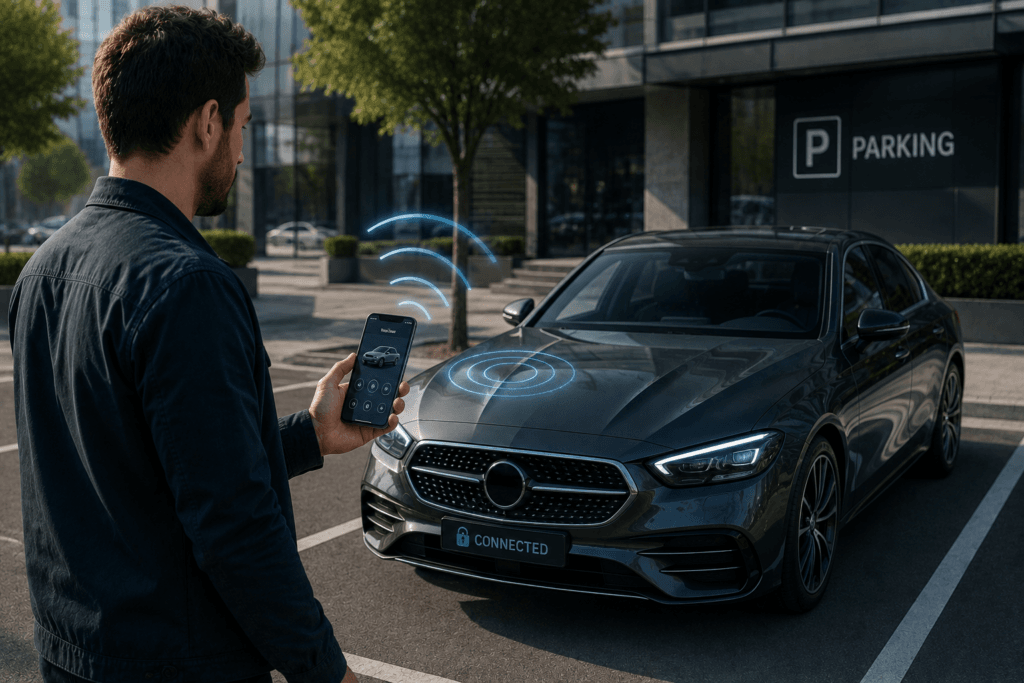
The traditional metal car key is gradually becoming another piece of automotive history. In 2026, a growing number of vehicles allow drivers to unlock, start, and sometimes share access to their cars using a smartphone or smartwatch. Known as digital car keys, these systems combine mobile devices with secure wireless technologies to make vehicle access more convenient.
Digital keys are part of the larger transformation taking place across the automotive industry. Cars are becoming connected devices with advanced software, cloud services, mobile apps, artificial intelligence, and over-the-air updates. If you have been following this transition, our guide to In-Car AI Copilots in 2026 explains another major way smartphones, software, and AI are changing everyday driving.
A digital key can be more than a replacement for a physical key fob. Depending on the vehicle, drivers may be able to approach the car and have it unlock automatically, start the vehicle without removing a phone from a pocket, or securely share access with a family member. The technology is becoming increasingly standardized through organizations such as the Car Connectivity Consortium, which develops specifications designed to improve security and compatibility between vehicles and mobile devices.
What Is a Digital Car Key?
A digital car key is an electronic credential stored on a compatible smartphone, smartwatch, or other secure mobile device. It allows that device to perform some of the functions traditionally handled by a physical key or key fob.
Depending on the vehicle and device, a digital key may allow the owner to lock and unlock doors, open the trunk, start the vehicle, or share access with another person. Some implementations require the phone to be held close to a door handle or key reader, while newer systems can recognize an authorized phone automatically as the driver approaches.
Apple explains that compatible vehicle owners can add eligible car keys to Apple Wallet and use an iPhone or Apple Watch to lock, unlock, and start supported vehicles. Apple’s car key support guide also notes that compatibility depends on the vehicle and device. Google provides similar functionality through supported Android phones, allowing drivers to manage a digital car key and use it with compatible vehicles. Google’s Digital Car Key documentation explains setup and management options.
How Digital Car Keys Work
Digital car keys rely on secure communication between the mobile device and the vehicle. Rather than transmitting a simple unlock code, modern systems use encrypted credentials and authentication processes designed to verify that the device is authorized.
NFC for Close-Range Access
Near-field communication, or NFC, allows two devices to communicate when they are extremely close together. In some digital key systems, the driver places a smartphone near a specific area of the door handle to unlock the car. The phone may then be placed near an interior reader to start the vehicle.
NFC is useful because of its short communication range. A user must intentionally bring the device close to the vehicle, which can help limit accidental or distant access attempts.
Bluetooth Low Energy
Bluetooth Low Energy can allow the vehicle to detect an authorized smartphone from farther away. Instead of tapping the phone against the door, the vehicle may recognize that the approved device is nearby and prepare to unlock.
Bluetooth-based access can make a digital key feel more like a modern key fob. Drivers may be able to leave the phone in a pocket or bag while approaching the vehicle.
Ultra-Wideband Technology
 Ultra-wideband, commonly called UWB, adds precise distance and positioning information. This can help the vehicle determine whether an authorized phone is actually beside the car instead of simply somewhere nearby.
UWB is particularly important for passive entry systems because accurate distance measurement can improve both convenience and security. The combination of NFC, Bluetooth, and UWB is helping digital keys become more reliable across different driving situations.
These connected systems are another example of vehicles becoming increasingly software driven. Our article on Connected Cars in 2026 looks more broadly at how modern vehicles communicate with networks, infrastructure, mobile devices, and other digital services.
Why Drivers Are Interested in Digital Keys
The biggest appeal of a digital car key is convenience. Most people already carry a smartphone every day, so allowing that device to act as the vehicle key removes another object from a driver’s pocket or bag.
Digital keys can also simplify situations where several people regularly use the same vehicle. Instead of making additional physical keys, the owner may be able to create digital access for another compatible device.
Another benefit is integration with the broader connected-car ecosystem. A single manufacturer app may provide vehicle location, battery status, climate controls, maintenance information, charging features, and digital key management. For drivers of newer vehicles, access is increasingly becoming part of the same software environment used for other vehicle functions.
Sharing a Digital Car Key With Other Drivers
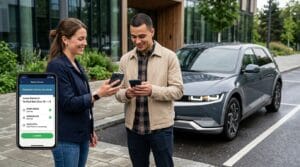
One of the most useful features of modern digital keys is the ability to share vehicle access electronically. The Car Connectivity Consortium says its Digital Key ecosystem can support shared access, including the ability to control how long another person has access and which vehicle functions may be available. The CCC Digital Key overview provides additional information about these capabilities.
This can be useful for families, couples, employees, or anyone temporarily lending a vehicle. Instead of handing over a physical key, the owner may be able to send a digital credential to another person’s compatible smartphone.
Temporary access can also provide more control than a traditional spare key. In supported implementations, the owner may be able to revoke access digitally when it is no longer needed.
Drivers should still understand exactly what permissions are being shared. Someone receiving a digital key may be able to start and operate the vehicle, so access should only be granted to people the owner trusts.
Are Digital Car Keys Secure?
Security is one of the most important questions surrounding digital vehicle access. Digital keys are designed to use secure authentication and encrypted communication rather than simply broadcasting a reusable password.
The Car Connectivity Consortium’s Digital Key specification focuses on security, privacy, and interoperability between participating automakers and device manufacturers. Its certification program is intended to verify that products meet defined requirements. The organization reported continued growth in certified vehicles and components during 2025 and 2026, showing that digital access is moving toward broader standardization.
Still, no connected technology should be treated as risk free. Smartphone security, account protection, software updates, and vehicle cybersecurity all remain important. Drivers who use a phone as a car key should secure the device with a strong passcode, biometric authentication, and available account protections.
This is closely connected with the broader issue of automotive cybersecurity. Our guide to Vehicle Cybersecurity in Connected Cars explains how automakers protect connected software, mobile access, wireless communication, and vehicle data.
What Happens if Your Phone Battery Dies?
A common concern is what happens when a smartphone battery runs out. The answer depends on the vehicle, phone, and digital key implementation.
Some supported devices include power-reserve functionality that may allow the digital key to continue operating for a limited time even after the phone appears to have lost normal battery power. Other systems may require another method of entry.
Drivers should read the instructions for their specific vehicle instead of assuming every digital key behaves the same way. Keeping a physical backup key available may also be useful, particularly during long trips or when traveling in areas without easy access to charging.
What Happens if You Lose Your Phone?
Losing a phone that contains a digital car key sounds alarming, but modern mobile platforms include tools for managing lost devices and accounts. Depending on the system, users may be able to remotely lock the phone, remove credentials, or revoke vehicle access.
This is another reason account security matters. A properly secured phone should require authentication before sensitive settings can be changed. Drivers should also know how to access their vehicle manufacturer’s account from another device if their primary phone is lost.
Digital Keys and Vehicle Cybersecurity
Digital keys make vehicle cybersecurity especially important because the car must trust communication coming from a mobile device. Automakers need to protect the authentication process, vehicle software, manufacturer servers, and mobile applications involved in digital access.
Drivers also need to keep software current. Security improvements may arrive through manufacturer apps or vehicle software updates. Our guide on How Over-the-Air Vehicle Updates Are Changing Car Ownership explains why wireless software updates are becoming an important part of maintaining modern cars.
The National Highway Traffic Safety Administration notes that modern vehicles contain increasingly complex electronic systems and communication pathways, making cybersecurity an important part of vehicle design and safety.
Digital Keys and Rental or Shared Vehicles
Digital keys may eventually become especially useful for rental cars, fleet vehicles, and car-sharing services. A rental company could potentially provide access for a specific reservation period without requiring the customer to collect a physical key from a counter.
Fleet operators may also be able to manage vehicle access centrally, giving authorized employees temporary access and revoking it when necessary.
These uses show why standardization matters. Drivers will have a much easier experience if digital keys work consistently across multiple vehicle brands and mobile platforms rather than requiring completely different procedures every time.
Compatibility Still Matters
 Despite growing adoption, digital car keys are not universal. Compatibility depends on the vehicle model, model year, phone, operating system, market, and manufacturer support.
Google states that digital car keys are available only for selected vehicles and markets. Apple similarly advises drivers to confirm compatibility with the vehicle manufacturer or dealership before attempting to add a key.
That means shoppers interested in digital access should treat it like any other vehicle feature. Before purchasing a car, confirm exactly which devices are supported, whether passive entry is available, how shared keys work, and whether a physical backup key is provided.
Tips for Using a Digital Car Key Safely
Digital car keys are designed for convenience, but good digital habits still matter. Keep the phone operating system and vehicle software updated, use a strong device passcode, and enable biometric authentication where available.
Drivers should also avoid sharing digital vehicle access casually. If temporary access is no longer needed, revoke it through the manufacturer’s app or supported wallet system.
When selling or trading the vehicle, remove stored digital keys and disconnect the car from personal accounts. The vehicle’s infotainment system should also be reset to remove personal information.
Good digital security should accompany normal physical vehicle care. Drivers can review Essential Car Maintenance Tips Every Driver Should Know for practical advice on keeping mechanical systems in good condition as well.
The Future of Digital Vehicle Access
Digital keys are likely to become more common as vehicles, smartphones, and smartwatches become increasingly connected. The development of cross-platform standards could make it easier for drivers to move between different devices and vehicles without learning completely new systems.
The Car Connectivity Consortium continues to develop and test its Digital Key specifications, including next-generation implementations intended to improve interoperability. In 2026, the organization continued holding certification and interoperability testing events involving major automotive and technology companies.
Future systems may also integrate digital vehicle access more closely with personalization. Once the car recognizes a particular driver’s key, it could automatically load seat settings, climate preferences, navigation destinations, infotainment profiles, and other personal configurations.
This would make the digital key more than a replacement for a metal key. It could become a secure digital identity that tells the vehicle who is driving and how the car should prepare for that person.
Final Thoughts
Digital car keys in 2026 illustrate how quickly everyday vehicle ownership is becoming connected to smartphones and software. Instead of carrying a traditional key, drivers of compatible vehicles can use mobile devices to unlock, start, and sometimes share access to their cars.
Technologies such as NFC, Bluetooth, and ultra-wideband make this possible, while encryption and secure authentication help protect access. The convenience can be significant, particularly for households with multiple drivers or owners who already use their phones to manage other connected vehicle features.
Digital keys are not yet available on every vehicle, and drivers should understand compatibility, backup access, smartphone security, and sharing permissions before relying on them completely. As standards improve and adoption expands, however, phone-based vehicle access is likely to become an increasingly normal part of modern car ownership.