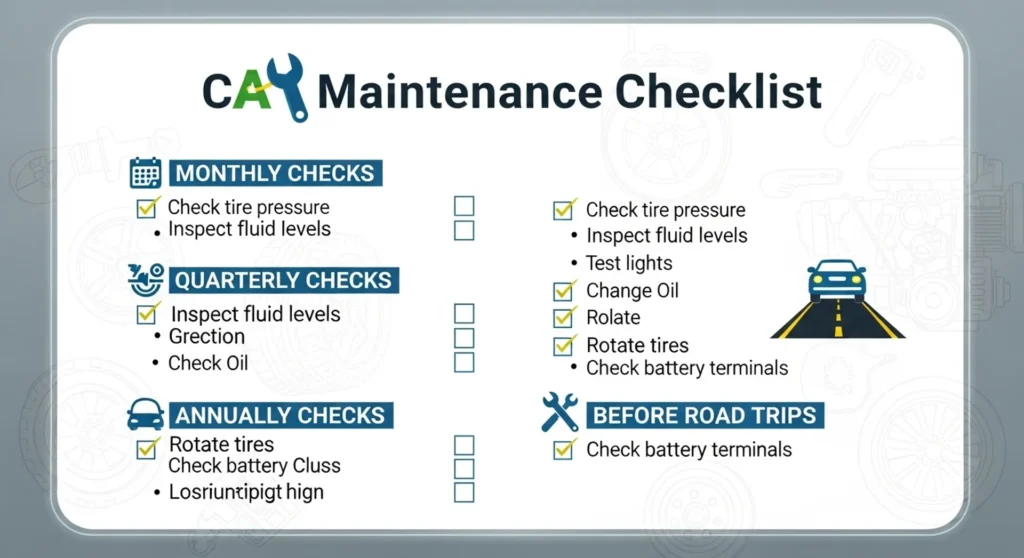
Proper car maintenance is one of the most important responsibilities of vehicle ownership. Regular maintenance not only improves performance but also enhances safety, extends vehicle lifespan, and helps prevent expensive repairs. Whether you drive daily or only occasionally, understanding basic car maintenance tips can make a significant difference in how your vehicle performs over time.
Why Regular Car Maintenance Matters
Vehicles are complex machines made up of many moving parts that experience wear and tear. Without regular maintenance, small issues can develop into major mechanical problems. Consistent care helps ensure that critical systems function correctly and reduces the risk of breakdowns.
Routine maintenance also improves fuel efficiency, keeps emissions under control, and helps maintain resale value.
Understanding Your Vehicle’s Maintenance Schedule
Every vehicle comes with a manufacturer-recommended maintenance schedule. This schedule outlines when services such as oil changes, brake inspections, and fluid replacements should be performed.
Following the recommended schedule provides a clear roadmap for keeping your car in good condition. Ignoring these guidelines often leads to premature component failure.
Oil Changes and Engine Care
Engine oil lubricates moving parts, reduces friction, and helps regulate engine temperature. Over time, oil breaks down and becomes contaminated, reducing its effectiveness.
Regular oil changes are one of the simplest yet most important maintenance tasks. Clean oil protects the engine from damage and improves overall performance.
Checking and Replacing Fluids
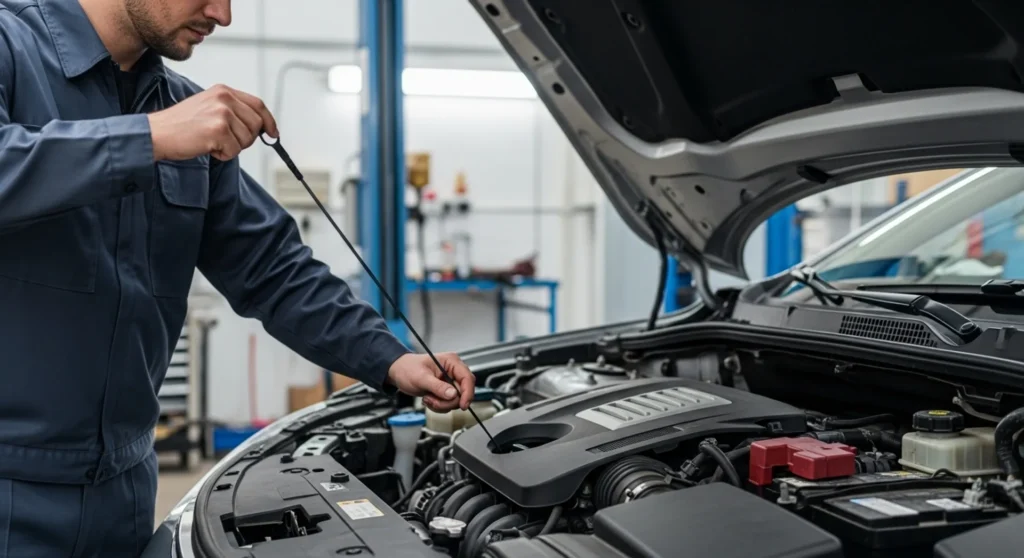
In addition to engine oil, vehicles rely on several other fluids to operate properly. These include:
- Coolant
- Brake fluid
- Transmission fluid
- Power steering fluid
- Windshield washer fluid
Low or contaminated fluids can affect safety and lead to system failures. Checking fluid levels regularly helps prevent costly repairs.
Tire Maintenance and Safety
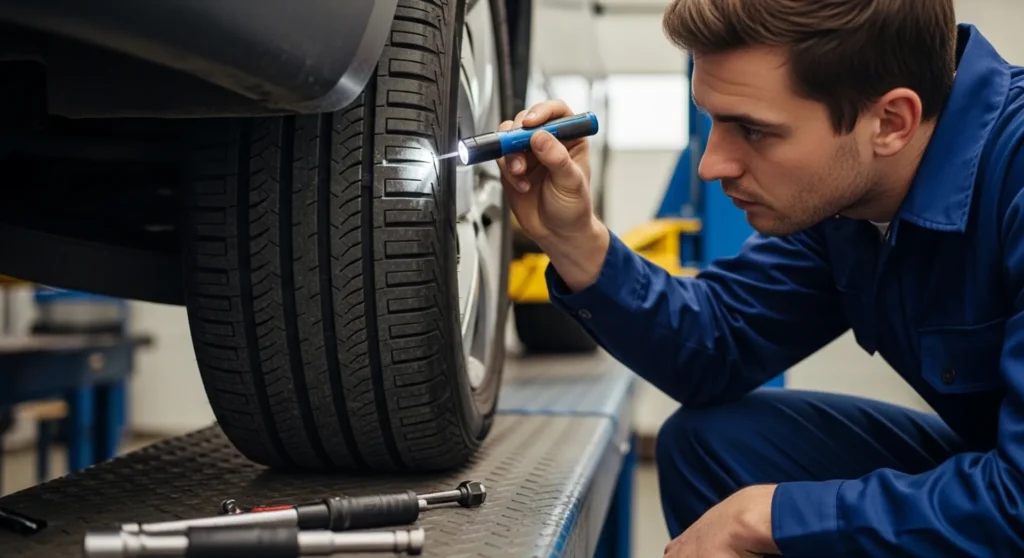
Tires are the only part of the vehicle that directly contact the road. Proper tire maintenance improves handling, braking, and fuel efficiency.
Drivers should regularly check tire pressure, inspect tread depth, and look for signs of uneven wear. Rotating tires at recommended intervals helps ensure even wear and longer tire life.
Brake System Inspections
The braking system is one of the most critical safety components of any vehicle. Worn brake pads, damaged rotors, or low brake fluid can compromise stopping ability.
Warning signs such as squeaking noises, vibrations, or reduced braking performance should never be ignored. Regular inspections help ensure reliable braking when it matters most.
Battery Maintenance and Electrical Systems
Car batteries provide power for starting the engine and operating electrical systems. Over time, batteries lose their ability to hold a charge.
Checking battery terminals for corrosion and ensuring secure connections can help prevent starting issues. Most batteries should be tested periodically, especially before extreme weather conditions.
Air Filters and Engine Efficiency
Air filters prevent dirt and debris from entering the engine. A clogged air filter restricts airflow, reducing engine efficiency and fuel economy.
Replacing air filters at recommended intervals allows the engine to breathe properly and operate more efficiently.
Keeping the Cooling System in Good Condition
The cooling system prevents the engine from overheating. Coolant circulates through the engine and radiator, absorbing excess heat.
Leaks, low coolant levels, or clogged radiators can lead to overheating and serious engine damage. Regular inspections help maintain proper engine temperature.
Lights, Wipers, and Visibility
Good visibility is essential for safe driving. Headlights, brake lights, and turn signals should be checked regularly to ensure they function correctly.
Windshield wipers should be replaced when they leave streaks or fail to clear water effectively. Proper visibility reduces the risk of accidents in poor weather conditions.
Suspension and Steering Components
The suspension and steering systems affect ride comfort and vehicle control. Worn shocks, struts, or steering components can cause uneven tire wear and reduced handling.
Unusual noises, pulling to one side, or excessive bouncing may indicate suspension issues that require inspection.
Preventive Maintenance Saves Money
Preventive maintenance focuses on addressing potential issues before they become serious problems. Regular inspections help identify worn parts early, allowing for timely repairs.
Although maintenance costs money, it is often far less expensive than repairing major mechanical failures.
Seasonal Car Maintenance Tips
Weather conditions affect vehicle performance. Seasonal maintenance helps prepare your car for temperature changes and road conditions.
In colder months, battery health and tire traction become more important. In warmer months, cooling system performance and air conditioning efficiency should be checked.
Developing Good Driving Habits
Driving behavior plays a role in vehicle longevity. Aggressive driving, rapid acceleration, and hard braking increase wear on components.
Smooth driving habits reduce stress on the engine, transmission, and brakes, contributing to longer vehicle life.
Final Thoughts on Car Maintenance
Understanding and following essential car maintenance tips helps drivers protect their investment and stay safe on the road. Regular care improves reliability, efficiency, and overall performance.
By staying proactive and informed, vehicle owners can enjoy dependable transportation while avoiding unnecessary repairs and downtime.